Online shopping

Best credit cards for online shopping in Singapore

Three cards tie for the top spot on this basket, earning exactly the same miles. So what actually separates them isn't the rate — it's which of your online spend each one is willing to count.

Milestacker · Card data checked 22 August 2026 · 8 cards ranked

Search "best card for online shopping in Singapore" and you'll get plenty of 4 mpd headlines. What the lists don't tell you is that "4 mpd on online spend" rarely means literally everything you buy online — every card here has its own list of what counts, and what quietly doesn't.

So this basket leans hard into online spend — S$1,500 of a S$2,400 month, weighted toward the categories people genuinely buy online — to see which cards actually deliver on that headline once their caps and exclusions are applied.

The result: three cards tie exactly at the top. Same miles, same rate, same S$1,000 monthly cap. What's different is what happens to the parts of your month each one leaves out.

The month being ranked

S$1,500 of online spend in a S$2,400 month

ShoppingS$900
Bills & utilitiesS$400
DiningS$300
Hotels & travelS$300
GroceriesS$300
EntertainmentS$200
TotalS$2,400

Weighted to categories that are genuinely bought online, with the online/in-store tilt pushed towards online.

Put in your own numbers and this order will probably shuffle — sometimes a lot. That's expected: it just means your spending doesn't look like this month.

The three that earn most

1
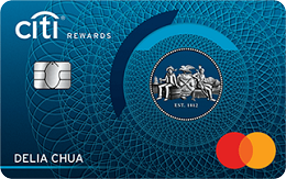
Citi Citi Rewards Card

Citi

Citi Rewards Card

Citi Rewards Card

Citi · online shopping & eligible retail

Earns
4,560
miles a month
Effective
1.90
mpd, best rate 4
The catch
Caps at S$1,000/month

This one bonuses almost everything bought online, with two specific carve-outs: travel bookings and bill payments both fall back to the base rate, even though most people would call both "online" spending. You also need to type your card number in directly at checkout — paying with Apple Pay or Google Pay earns nothing extra here.

View at Citi
2
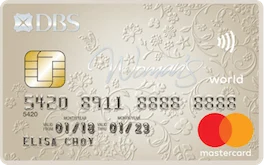
DBS DBS Woman's World Card

DBS

DBS Woman's World Card

DBS Woman's World Card

DBS · general online spend

Earns
4,560
miles a month
Effective
1.90
mpd, best rate 4
The catch
Caps at S$1,000/month

The broadest of the three in one sense: it's a blacklist rather than a narrow approved list, so most online spend qualifies by default, with bills carved out as the one explicit exclusion. The cap has been cut twice in the past year, most recently to S$1,000 a month, so it's worth checking it hasn't moved again before you rely on this rate.

View at DBS
3
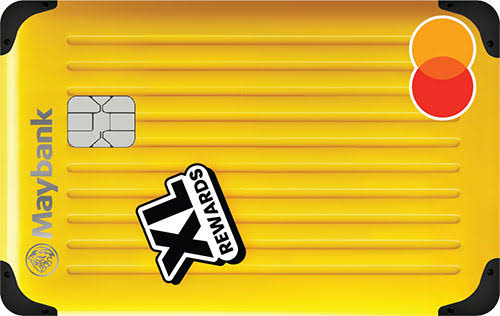
Maybank Maybank XL Rewards Card

Maybank

Maybank XL Rewards Card

Maybank XL Rewards Card

Maybank · FCY + dining/shopping/flights/entertainment up to the monthly cap

Earns
4,400
miles a month
Effective
1.83
mpd, best rate 4
The catch
Caps at S$1,000/month

The bonus here covers foreign-currency spend plus local dining, shopping, flights and entertainment — a wider net than just "online" — but it's gated behind S$500 of spend across the whole card before any of it switches on. It's also only open to applicants between 21 and 39; Maybank turns down everyone else regardless of income.

Before you apply. Requires applicants aged 21–39 — Maybank auto-rejects anyone 40 or older, whatever their income.

View at Maybank

Three different cards, three different sets of fine print, one identical number at the bottom. The rate was never the differentiator here — what each card quietly excludes was.

What trips people up

"Online" rarely means all of it

Every card on this page carves something out of its online bonus — bills, travel bookings, or both. Assume nothing counts by default, and check the specific exclusion list against what you actually buy.

How you pay can disqualify the purchase

One of the top three cards only bonuses purchases where you type in the card number directly. Pay with a saved mobile wallet on that exact same card, on that exact same website, and you earn nothing extra.

S$1,000 goes fast on a shopping month

The strongest online bonuses in Singapore cluster around a S$1,000–S$1,500 monthly ceiling. A single big purchase can eat most of it, leaving the rest of the month earning base rate.

A tied rate isn't a tied card

When two cards land on the same number, it usually means their caps are the same size, not that their rules are. Check what's actually excluded before treating a tie as "pick either."

Why three cards land on the exact same number

It's not a coincidence. All three cap their bonus at almost the same monthly ceiling, so on a big enough shopping month, all three simply run out of bonus room at close to the same point — and the rate they advertise, 4 mpd, is identical too.

What's actually different between them sits upstream of the cap: which purchases are allowed to count toward it in the first place. Two exclude bill payments. One needs a separate spending threshold cleared before anything counts at all.

What this ranking leaves out

Annual fees, sign-up bonuses and any time-limited promotional rates are excluded — a few of these cards run temporary boosted rates on specific platforms that aren't part of the standing terms modelled here.

Age and income restrictions are shown on the card itself rather than folded into the ranking. One of the three featured cards, for instance, is only available to applicants under 40.

Questions people actually ask

If three cards earn the same, which should I actually get?
Look at what each one excludes rather than the rate they share. If you pay bills through cards, that alone rules out two of the three. If you're not eligible for one on age grounds, that settles it before the rate even matters.
Does paying with Apple Pay or Google Pay change anything?
On some cards, yes, significantly — one of the top three here only earns its bonus when you enter the card number directly, and pays nothing extra through a mobile wallet, even on an otherwise-eligible purchase.
Why is the basket weighted so heavily toward online spend?
To see what these cards can actually deliver at their best. A lighter online month would just mean more of the basket sits at the base rate everywhere, which makes the cards harder to tell apart rather than easier.
How up to date is this?
These numbers come from the same data our planner uses, checked against a dated source for every rate that matters. The online-spend cards in particular get adjusted often, so confirm with the bank before you apply.

How these numbers are worked out

Every rate is quoted in KrisFlyer miles, with each card's points-to-miles conversion already applied. That makes cards comparable to each other, but it means these figures sit below the headline rates issuers and review sites publish, which are usually quoted in the card's own points or at its best transfer partner.

The ranking is produced by running the same engine the planner uses, with one card held and the basket above as the month's spend. Monthly bonus caps, minimum-spend gates and category exclusions are all applied, so a card whose bonus runs out halfway through the month ranks on what it actually earned.

Not included: annual fees, foreign transaction fees, sign-up bonuses, and any relationship tier you have to hold a balance to unlock. Card terms change often — confirm with the bank before applying. Full disclaimer.

Other rankings

This ranking used a made-up month. Yours is different.

Put in your real numbers and Milestacker will show you which card — from the ones you already have, plus whatever you're missing — actually earns you the most. Free, no login, nothing leaves your browser.

Build my stack